Water Safety


It is a licensed plumber’s mission “to protect the health of the Nation”. This is something we take very seriously at AAA AUGER.


Cross Contamination

Our industry has made incredible improvements in protecting fresh water sources from cross contamination. One of the most significant advances has been due to the awareness of cross contamination and back flow.

Cross contamination occurs when any non-potable or hazardous liquid comes in contact with our fresh water supply. There are many obvious scenarios when visualizing this occurrence. Examples include sewage or hazardous material dumped into a lake, pond or reservoir. This is an example of direct cross contamination; when the contaminant comes directly in contact with the fresh water.

Prevention of direct cross contamination is fairly obvious. As with the above example, we simply should not dump sewage or hazardous material into our fresh water. However, cross contamination occurs in many lesser known situations. Please see Backflow Prevention for more details.


Water Pressure

Most current plumbing codes specify 80 psi as the maximum pressure at which your potable water system may safely operate. AAA AUGER Service Technicians are trained to provide water pressure tests to every home free of charge. Excessive water pressure can cause many problems to include ruptures in both supply lines and faucet packings (seals, o-rings, etc.) and the bursting of hot water tanks.

What causes excessive water pressure?

There are many factors that can affect water pressure either positively or negatively. Increased water pressure usually occurs when a pump from the municipal water source has been upgraded due to increased demand. Often, in growing communities, additional water towers are built which will result in increased pressure.

How is excessive water pressure addressed?

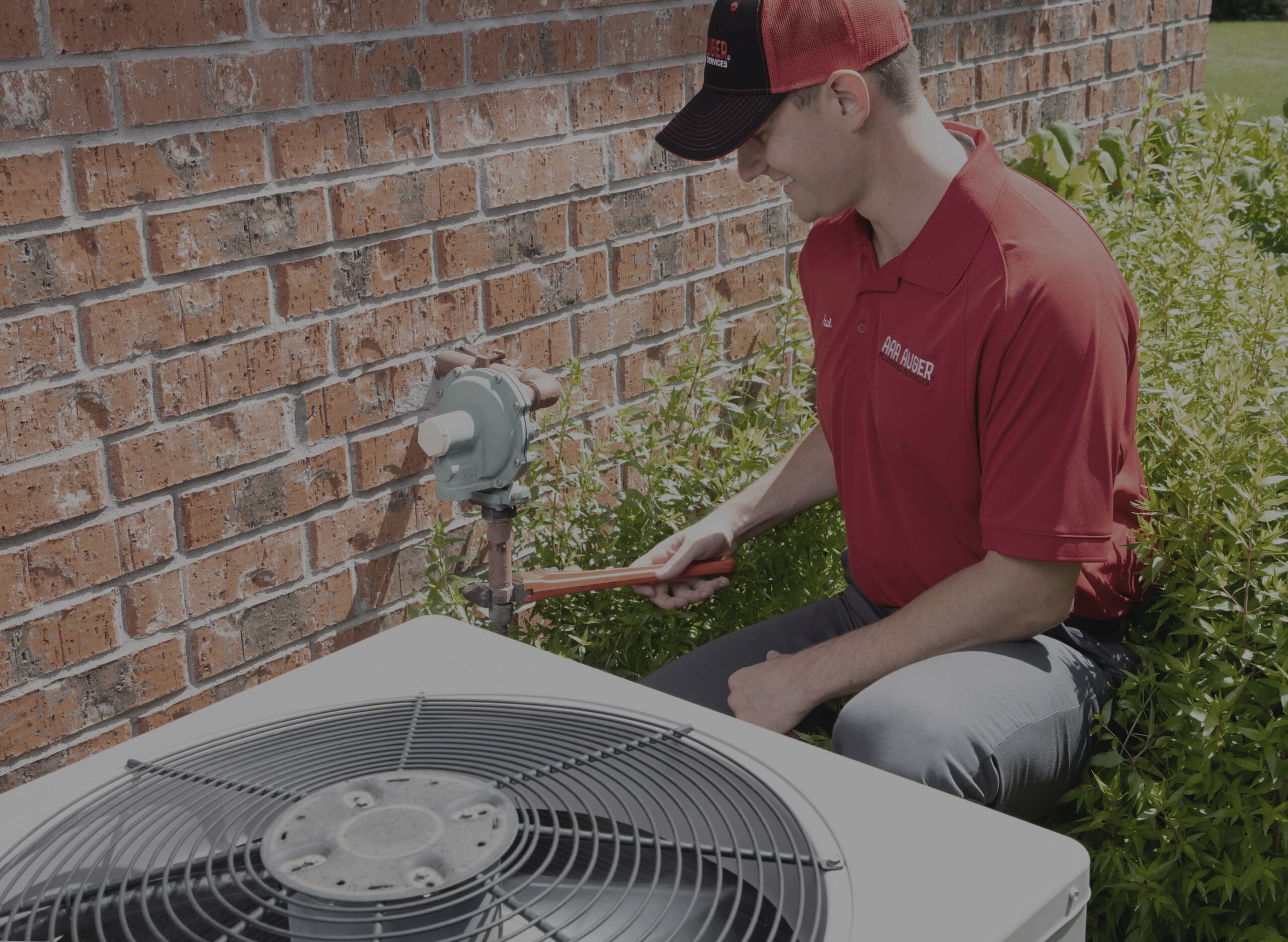
Whenever pressures are discovered to be over 80 psi, a Pressure Reducing Valve (P.R.V.) or similar mechanical regulator should be installed. The regulator will ensure that, beyond the point of installation, the water pressure will never exceed the safe limit.

Photo Courtesy of Watts Regulator Company

Photo Courtesy of Watts Regulator Company

Note: A Pressure Reducing Valve may negatively affect the performance of an irrigation system. Installing the regulator beyond the irrigation system’s tie into the water supply will prevent such problems. Also, when installing a P.R.V., the system becomes a “closed” system. Please see the Thermal Expansion section for more information.


Thermal Expansion

Plumbing codes require that expansion tanks be used whenever a potable water system contains a Pressure Reducing Valve (PRV), a Backflow Preventer or a double check valve. When water flow is static or not flowing through the system, the aforementioned valves are closed which prevents water from reversing its intended course. This is referred to as a “closed system”.

Water, when heated, expands. The expansion increases its volume. For example, water heated from 90ºF to 140ºF in a 40 gallon water heater will expand by almost one-half gallon. Because water is not compressible, in closed systems, the increased water volume must go somewhere. This thermal expansion increases water pressure. Since pressure seeks the path of least resistance, annoying and potentially dangerous problems can occur. In an “open system” or a system that does not contain the aforementioned valves, the increased volume is able to find its way back into the municipal supply.

Thermal expansion can cause pressure surges, chronic or continuous dripping of temperature and pressure valves (T & P Valve), faucets and/or leaking fill valves in toilets.

More serious problems can also occur due to thermal expansion. When pressures within a water heater surpass the intended operating range, internal parts may fail such as internal flues, fittings or water connections. If a flue way collapses it can lead to the potential release of toxic gases, such as carbon monoxide into living spaces. Thermal expansion can also cause the water heater’s tank to rupture or explode. Minimally, this may require replacing the heater. However, there are many documented incidents that have caused major property damage and fatality.

Article Global Facebook Twitter Myspace Friendfeed Technorati del.icio.us Digg Google Yahoo Buzz StumbleUpon Eli Pets

subscribe to aaa auger feeds

Testimonials

An Austin Plumber Helps You Select a Bathroom Floor

Austin plumberSo, you've decided to remodel your bathroom. AAA AUGER Austin Plumber knows that one of the most important decisions you'll make is choosing your bathroom floor. There are a lot of factors to consider so AAA AUGER Austin Plumber is giving you the pros and cons to different types of floorings. Carpet For those wanting softness and warmth underfoot, carpet is a simple and relatively inexpensive option. You'll have to choose carefully, however, because mildew is a potential problem. Find carpet that is resistant to water, mildew and stains, and has a backing that prevents water from seeping into the pad. Ceramic Tile Ceramic tiles come in a variety of colors, shapes and textures. AAA AUGER Austin Plumber has seen homeowners get creative with this material! It is designed to prevent slipping and is highly durable. Pay attention to the porosity rating when selecting your bathroom ceramic tile; you'll want something that is moisture proof. Laminate This type of flooring is made of many material layers that are compacted under pressure for strength. It comes in a variety of looks to fit any bathroom and is durable and easy to clean. Vinyl Resist to stains and moisture, vinyl has long been a popular bathroom flooring choice. It comes in either tiles or sheets and is easy to install. Using tiles means there will be more seams where germs could potentially grow, so you'll want to ensure it is maintained well. Which bathroom flooring will you chose for your bathroom remodel? Let us know why in the comments below! For more bathroom remodel tips and how-to guides, like AAA AUGER Austin Plumber on Facebook and follow us on Twitter. Or, check out AAA AUGER Austin Plumber website for more information about your bathroom plumbing needs.